During my second year at university, I undertook a comprehensive module on Machine Learning and Data Mining. This module provided me with hands-on experience in data preprocessing, clustering, and evaluation techniques. I delved deep into the intricacies of machine learning algorithms, working on real-world datasets, and implementing advanced techniques to derive meaningful insights.
Data Preprocessing: Mastered techniques for scaling and outlier removal, ensuring data quality and reliability for machine learning models.
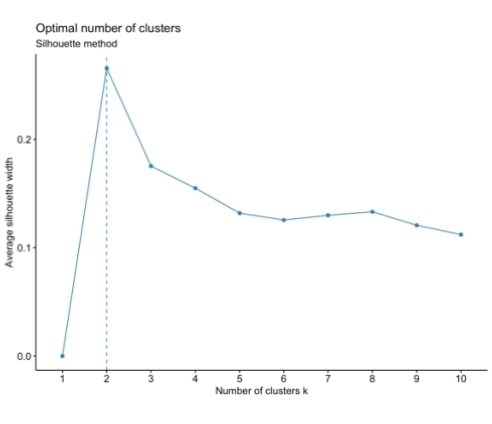
Clustering Techniques: Gained proficiency in k-means clustering, determining optimal cluster numbers using both manual and automated tools.
Principal Component Analysis (PCA): Applied PCA to datasets, focusing on dimensionality reduction while retaining significant data variance.
Evaluation Metrics: Developed a keen understanding of various evaluation metrics like Within Sum of Squares (WSS), Between Sum of Squares (BSS), and Total Sum of Squares (TSS) to assess the quality of clustering.
Electricity Load Forecasting: Explored methods like Autoregressive (AR), Moving-Average (MA), and Autoregressive Moving-Average (ARMA) for electricity load forecasting.
Statistical Indices: Deepened my understanding of statistical indices such as RMSE, MAE, and MAPE, essential for evaluating forecasting models’ performance.
Programming and Tool Proficiency: Demonstrated expertise in R, utilizing libraries like ggplot2, gridExtra, MASS, and neuralnet for various machine learning tasks.
Project Highlights –
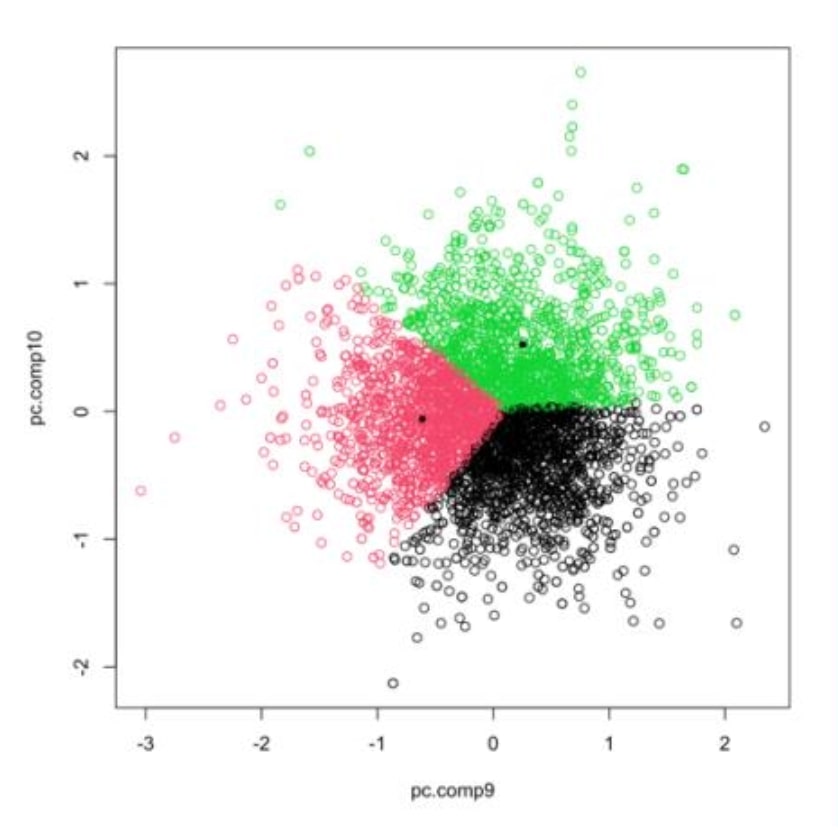
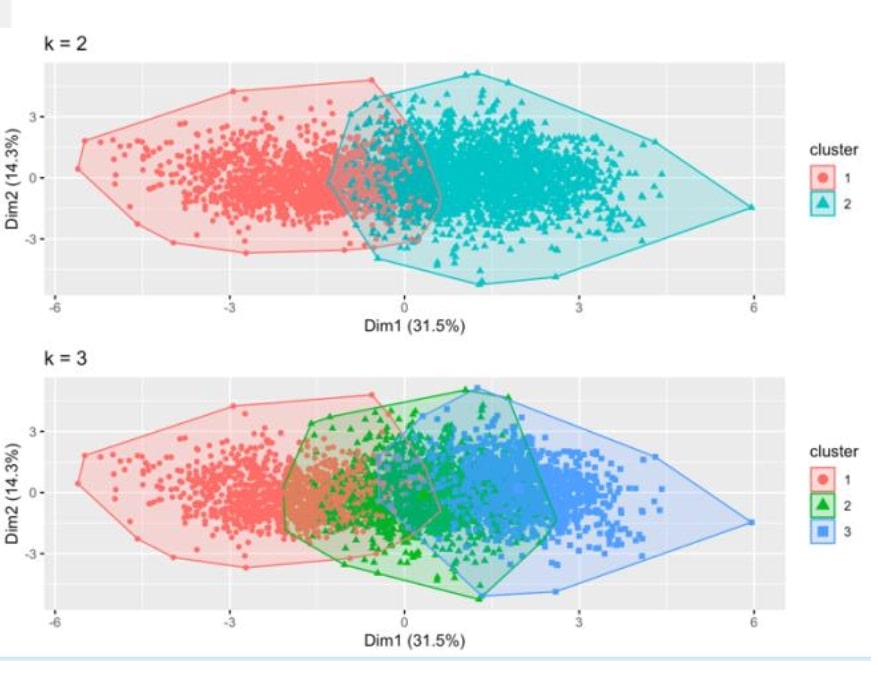
Successfully clustered a white wine dataset, determining the optimal number of clusters using various methods and evaluating the results against a given column.
Applied PCA to the white wine dataset, creating a new dataset with principal components that cumulatively explained more than 96% of the variance.
Explored electricity load forecasting, discussing various methods for defining input vectors and their significance in real-world forecasting problems.
Demonstrated the practical application of normalization in machine learning, emphasizing its necessity when features have different ranges.